

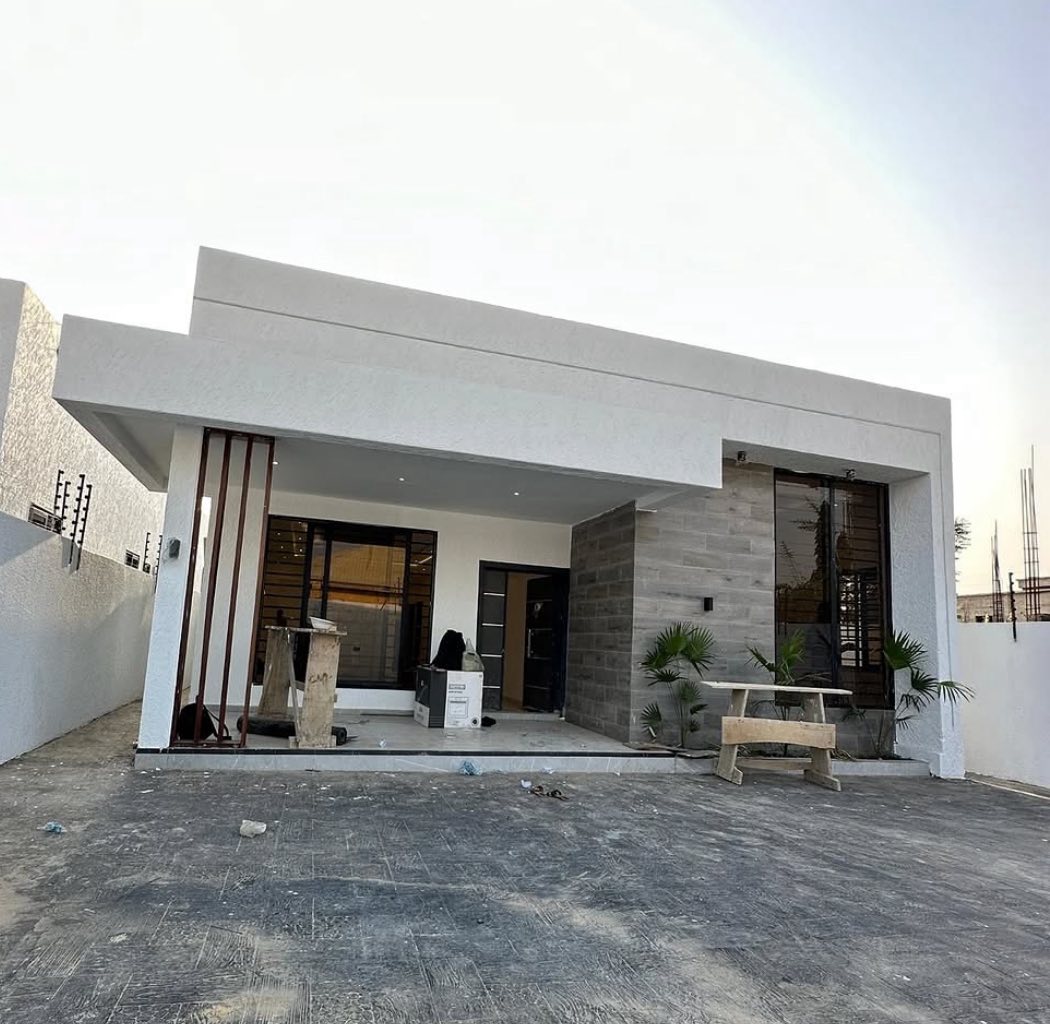
How Much Does It Cost to Build a House in Nigeria? (2026)
Building a home in Nigeria is a dream for many — but it’s also one of the most important financial decisions you’ll make. Whether you’re building your first house, upgrading to a bigger home, or investing in property, having a clear understanding of the costs helps you plan wisely and avoid surprises.
What Influences the Cost of Building a House?
Before we talk numbers, it’s good to know what affects the overall cost:
1. Location
- Building in big cities like Lagos, Abuja, or Port Harcourt usually costs more due to higher land prices, labor rates, and material transport costs.
- Construction in smaller towns or rural areas is generally cheaper.
2. Land Costs
- Land price varies dramatically across Nigeria — from just a few million naira in some areas to tens or even hundreds of millions in prime urban locations.
3. House Design & Size
- A modest bungalow costs much less than a multi-storey duplex.
- Bigger houses use more materials and labor, pushing the price up.
4. Quality of Materials & Finishes
- Choosing high-quality finishes (like tiles, paint, fittings) will cost more, but often adds long-term value.
- Saving money by using standard or local finishes can help reduce the overall build cost.
Estimated Costs by House Type (2026)
Here’s a general range of what different house types might cost to build in Nigeria — including construction, finishing, and utilities (but not land):
| House Type | Estimated Cost (₦) |
| Bungalow (single-storey) | ₦35,000,000 – ₦70,000,000 |
| Duplex (two-storey) | ₦100,000,000 – ₦350,000,000 |
| Terraced House | ₦180,000,000 – ₦450,000,000 |
| Detached House | ₦90,000,000 – ₦300,000,000 |
These ranges depend on location, design, finishes, and labor costs — so your project might fall above or below these figures.
Detailed Cost Breakdown (Typical Build)
Here’s what goes into the total cost of building a house:
Land Acquisition
- Urban Locations: ₦30,000,000 – ₦150,000,000
- Rural Areas: ₦1,500,000 – ₦15,000,000
Design & Planning
- Architectural design: ₦200,000 – ₦1,000,000
- Structural engineering: ₦200,000 – ₦2,000,000
- Land surveying: ₦100,000 – ₦1,500,000
Construction
- Foundation: ₦200,000 – ₦1,000,000
- Concrete & Reinforcement: ₦5,000,000 – ₦15,000,000
- Block work: ₦1,500,000 – ₦5,000,000
- Roofing: ₦4,500,000 – ₦8,000,000
Finishing Work
- Plastering: ₦3,000,000 – ₦6,000,000
- Flooring: ₦3,500,000 – ₦10,000,000
- Painting: ₦300,000 – ₦9,000,000
- Windows & doors: ₦3,000,000 – ₦7,500,000
Utilities
- Electrical wiring: ₦3,500,000 – ₦10,000,000
- Plumbing: ₦3,000,000 – ₦6,000,000
- Water & sewage connections: ₦200,000 – ₦1,500,000
These are typical ranges; actual pricing depends a lot on your design choices and the city or state you’re building in.
Examples From Real Projects
Here are some real-world examples to help you picture the numbers better:
Bungalow in Lagos Outskirts
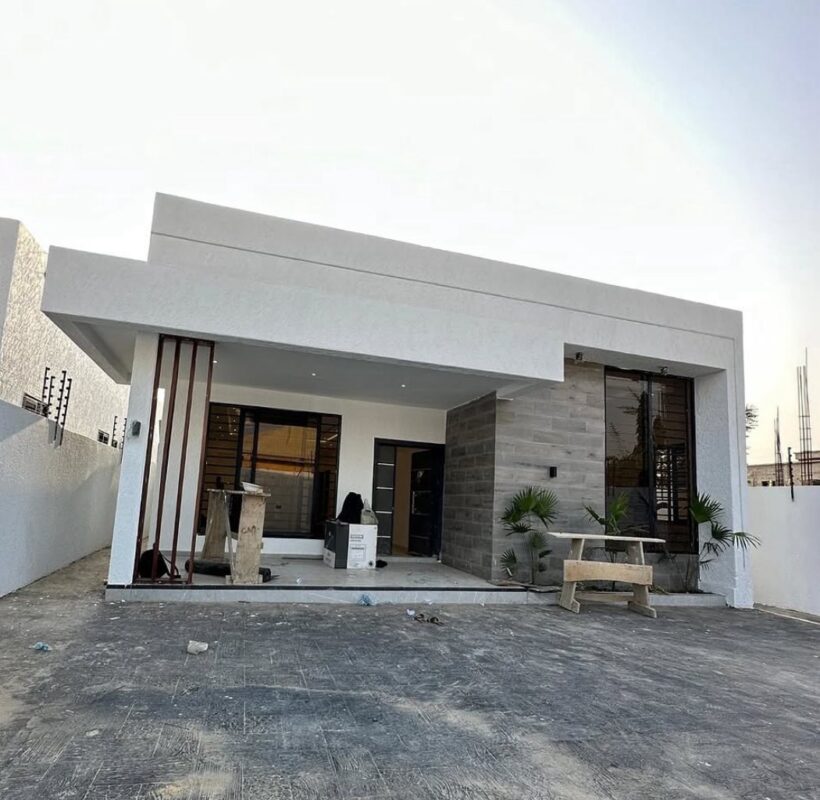
- Land: ₦15,000,000
- Construction (complete): ₦55,000,000
Duplex in Abuja City
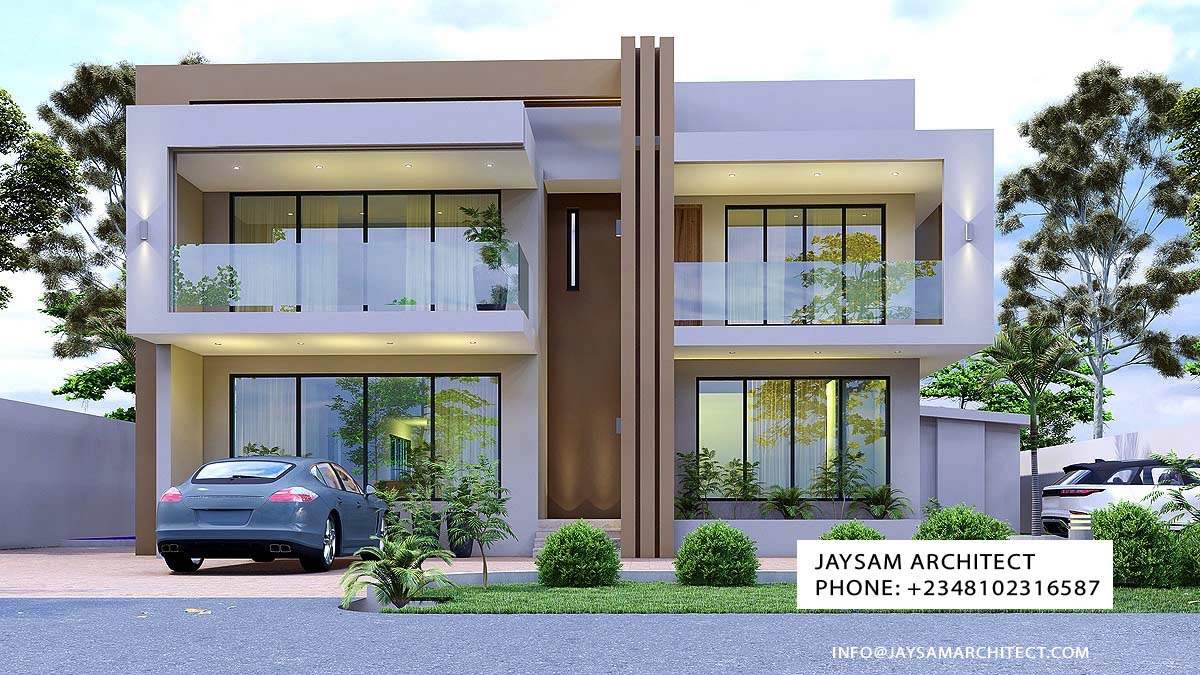
- Land: ₦200,000,000
- Construction (complete): ₦350,000,000
Terraced House in Ibadan
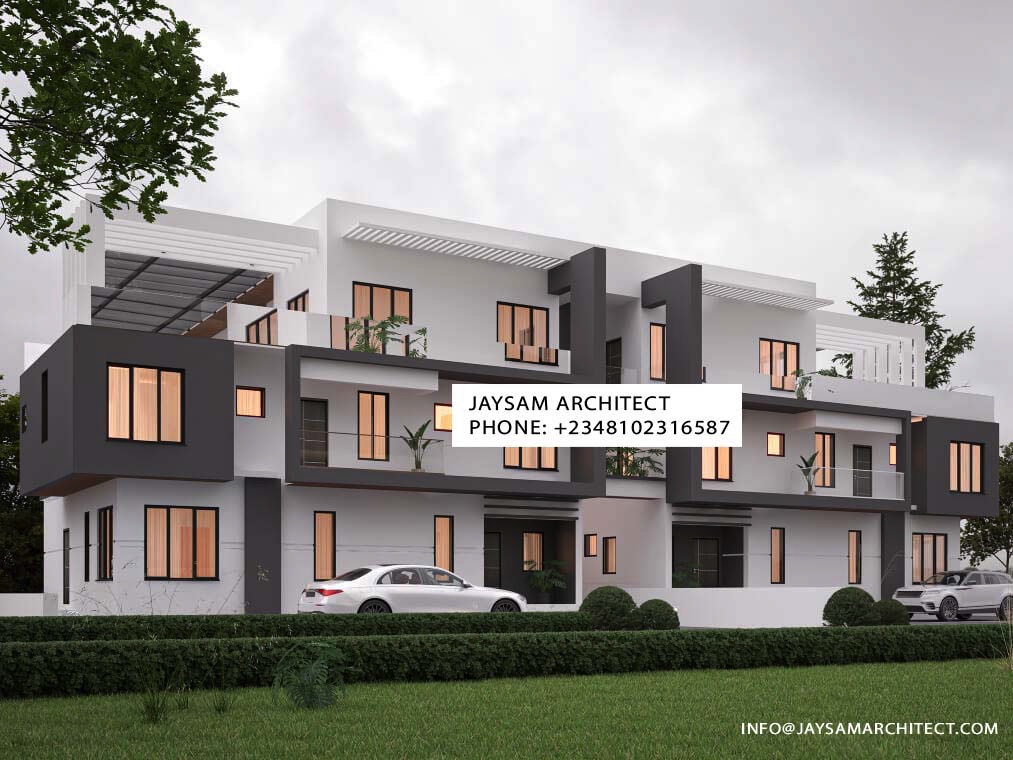
- Land: ₦5,000,000
- Construction (complete): ₦200,000,000
These projects show how location and land costs can really shift the overall budget!
Budget Tips (2026)
Here are some smart tips to keep costs in check:
- Get multiple quotes from contractors before committing.
- Plan early and lock in material prices if possible — prices can change fast.
- Work with professionals (architects & engineers) to avoid costly mistakes.
- Prioritize quality where it matters — a well-built structure today saves money later.
Conclusion
Building a house in Nigeria in 2026 can range from tens of millions to hundreds of millions of naira — depending on your goals, design choices, and where you build. But with good planning and smart budgeting, you can build a home that fits your lifestyle and stands the test of time.